Understanding eGPU Docks: Enhancing Your Computing Power
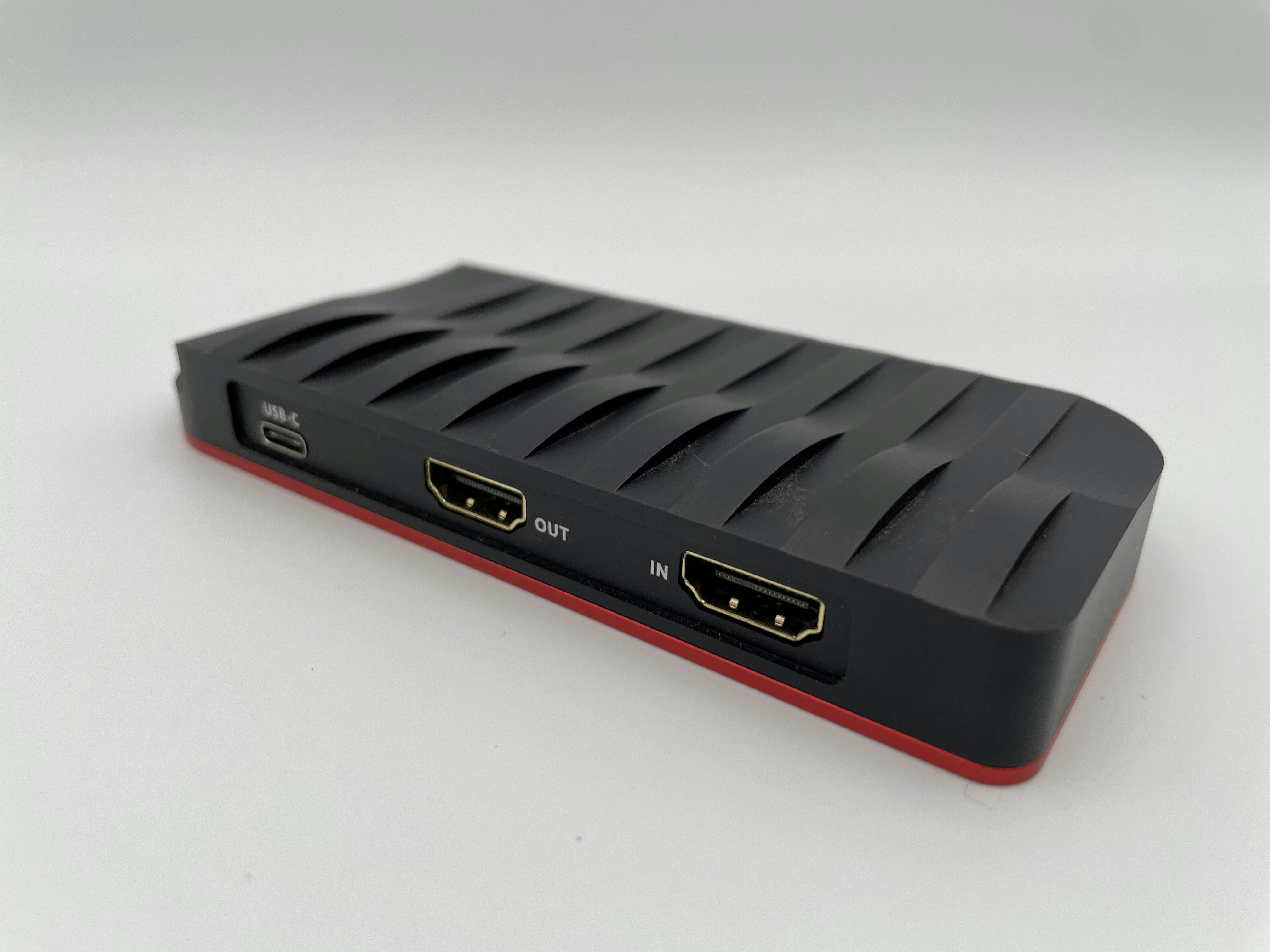
What is an eGPU Dock?
An eGPU dock, or external Graphics Processing Unit dock, is a specialized device designed to enhance a computer’s graphical capabilities by connecting an external graphics card. This technology primarily benefits users who require increased graphics performance for resource-intensive applications such as gaming, video editing, and graphic design. By leveraging an eGPU dock, users can unlock the potential of high-end graphics cards that would otherwise remain unused with standard integrated graphics.
The core purpose of an eGPU dock is to enable portability without sacrificing performance. Many modern laptops and ultrabooks come equipped with integrated graphics that suffice for everyday tasks. However, as software demands grow, especially in professional environments, integrated solutions may fall short. An eGPU offers a powerful alternative by allowing users to connect a robust graphics card via a single Thunderbolt 3 or USB-C port, linking it to their device.
In essence, eGPU docks serve as a bridge permitting the use of desktop-grade GPUs on portable devices. They typically house the graphics card, feature multiple connectivity options, and may provide additional functionalities such as extra ports for USB devices or Power Delivery for charging the laptop. This integration not only boosts performance but also enhances workflow efficiency, allowing users to edit high-resolution videos, render 3D graphics, or play demanding video games. The ability to quickly detach the eGPU also provides the flexibility to work on-the-go, appealing to professionals who need superior performance without the burden of a bulky desktop computer.
How eGPU Docks Work
External Graphics Processing Units (eGPU) docks serve as a bridge between a laptop or a desktop and powerful external graphics cards. They typically utilize high-speed connection interfaces, most commonly Thunderbolt 3 or Thunderbolt 4, to facilitate the transfer of data and power. Thunderbolt is particularly favored for its ability to deliver high data transfer rates of up to 40 Gbps, which is crucial for ensuring that the eGPU can effectively leverage its processing power without significant lag.
When an eGPU dock is connected to a compatible device, the dock acts as a conduit for transferring graphical data between the computer and the graphics card. This process involves installing the correct drivers. The installation process is relatively straightforward, requiring the user to connect the eGPU dock to their device via the Thunderbolt cable, insert the graphics card into the dock, and then install any necessary software or drivers. Once completed, the graphics card can be recognized and used to enhance graphical performance.
Compatibility is a crucial factor when evaluating eGPU docks. It is essential to ensure that your laptop or desktop supports Thunderbolt technology, as not all USB-C ports provide the same capabilities. Additionally, certain operating systems have specific requirements for maximizing compatibility with eGPU docks. Furthermore, users should consider the power output of the dock and whether it can sufficiently power both the graphics card and the connected device. Understanding these technical aspects allows users to make informed decisions when integrating an eGPU dock into their computing setup, ultimately enhancing their overall computing power.
Benefits of Using an eGPU Dock
Utilizing an external Graphics Processing Unit (eGPU) dock can significantly enhance computing power, particularly for tasks that demand greater graphical capabilities. One of the primary benefits of eGPU docks is the performance improvement they offer for applications such as video editing, 3D rendering, gaming, and data visualization. By offloading graphic-intensive processes to a dedicated GPU, users can experience smoother frame rates and faster rendering times compared to integrated graphics solutions.
Another notable advantage of eGPU docks is their ability to upgrade graphics capabilities without necessitating a complete system overhaul. Traditional laptops often come with a fixed graphics hardware configuration that cannot be altered. However, with an eGPU dock, users can easily swap out the graphics card for a more powerful model, allowing for a customizable and future-proof computing experience. This flexibility not only prolongs the lifespan of the laptop but also saves on potential costs associated with purchasing a new machine.
Portability is yet another significant benefit of utilizing an eGPU dock. This feature is particularly advantageous for professionals who commute or travel frequently. Users can assemble a powerful workstation at home while maintaining the convenience of a lightweight laptop for on-the-go use. When they require additional graphical power at a remote location, they can simply connect their laptop to the eGPU dock, which can often include additional ports for peripherals, enhancing productivity without being tethered to a bulky desktop setup.
Overall, eGPU docks are particularly beneficial in multiple scenarios, especially when handling resource-heavy applications or when an upgrade is needed without full hardware replacement. Whether a graphic designer, gamer, or data analyst, the advantages of an eGPU dock make it a valuable addition to any mobile computing setup.
Choosing the Right eGPU Dock for Your Needs
When selecting an eGPU dock, various factors must be taken into account to ensure compatibility and optimal performance with your existing computing hardware. One of the primary considerations is compatibility with your device’s ports. Most eGPU docks connect via Thunderbolt 3 or 4, which is predominantly found in modern laptops and desktops. Verify that your device supports these connections to avoid performance issues.
The performance specifications of the graphics card you intend to install in the dock is another crucial factor. Different eGPU docks support various GPU types and sizes, and so it is essential to ensure that the dock can accommodate the card you choose. Specifically, look at the power supply specifications of the dock, as it should provide adequate power to the graphics card, especially if you are considering high-end models.
Price is also a significant consideration when choosing an eGPU dock. Prices can vary widely based on features and performance capabilities. While it is tempting to select the most budget-friendly option, investing in a well-reviewed, robust dock can enhance performance and durability in the long run. Consider your usage needs, whether for gaming, professional rendering, or casual use, to align the product with your budget.
Future-proofing is another vital aspect of selecting an eGPU dock. As technology advances, the demand for better graphics performance continues to grow. Opting for a dock that supports the latest GPU models and has the capability for upgrading can save you money in the future. Look for features such as additional ports, cooling systems, and robust build quality, as these elements can significantly influence your ability to adapt as new technologies emerge.